

In today’s crowded marketplace, standing out can feel like shouting into a void. B2B companies are often competing against a deluge of generic marketing messages that fail to resonate with their audience. So, how do you break through the noise and grab the attention of your target customers? The answer lies in content personalization at scale. But scaling personalization effectively can seem daunting. With the right strategies, tools, and mindset, you can transform how your business connects with prospects and clients, fostering deeper relationships that drive results.
Understanding the Landscape of B2B Personalization
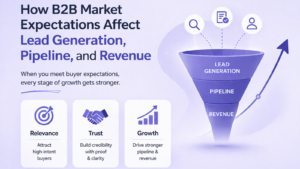
Gone are the days when a simple greeting or tailored email could impress your audience. Today’s B2B buyers demand more—much more. They expect interactions that reflect their unique needs and preferences. According to research, companies that excel at personalization often enjoy increased engagement, higher conversion rates, and stronger client relationships. This shift has led to the emergence of hyper-personalization, where businesses leverage advanced technologies to deliver bespoke content tailored to individual user behaviors and preferences.
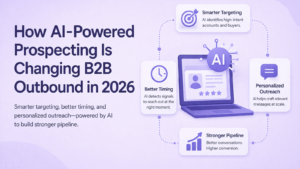
To effectively scale content personalization, it’s essential to first understand the various tools and technologies available. Utilizing artificial intelligence (AI) and machine learning (ML) allows you to analyze vast amounts of data, revealing insights about customer behaviors and preferences that can inform your marketing strategies. By embracing these technologies, you can create a marketing ecosystem that responds to each client in real-time.
Strategies for Effective Personalization
- Leverage Data-Driven Insights
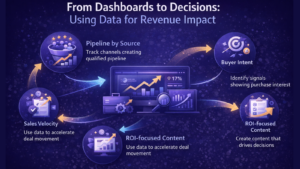
Start by gathering data from various touchpoints—website visits, email interactions, and social media engagements. This data is gold. It provides a comprehensive understanding of what your audience values, enabling you to craft content that speaks directly to them. Utilize analytics tools to sift through this information, identifying patterns that can inform your personalization strategy. - Account-Based Marketing (ABM)
Shift your focus to ABM strategies. This involves creating tailored campaigns specifically designed for high-value accounts. With ABM, you can align your content with the specific challenges and goals of each account, significantly improving engagement and conversion rates. - Utilize AI-Powered Tools
Incorporate AI-powered content recommendation engines into your marketing strategy. These tools analyze user behavior and suggest relevant content, ensuring that each interaction feels personalized and engaging. For instance, if a prospect frequently visits certain product pages, your system can automatically highlight related content that addresses their interests. - Implement Chatbots for Real-Time Engagement
Deploy chatbots on your website to engage visitors in real-time. These AI-driven tools can facilitate personalized interactions by answering questions, providing product recommendations, and gathering valuable data for future personalization efforts. Chatbots not only enhance the user experience but also streamline the buyer’s journey, making it easier for prospects to connect with your brand. - Optimize Email Campaigns
Personalized email marketing remains a cornerstone of effective B2B engagement. Use AI to tailor subject lines and content based on individual preferences and behaviors. Sending targeted emails at optimal times can significantly improve open rates and engagement, moving prospects closer to conversion. - Monitor and Adjust
Finally, it’s vital to continuously monitor the effectiveness of your personalization strategies. Analyze engagement metrics and customer feedback to determine what’s working and what needs adjustment. Personalization is not a one-time effort; it requires ongoing refinement and responsiveness to evolving customer needs.
The Challenges of Scaling Personalization
While the benefits of scaling content personalization are significant, challenges do exist. As you gather and utilize more data, maintaining privacy and ethical standards becomes crucial. Customers today are more aware of their data rights and expect transparency from brands. Ensure your personalization efforts are respectful of customer privacy to build trust and loyalty.
Additionally, striking the right balance in your personalization efforts is essential. Over-personalization can lead to intrusive experiences that alienate your audience rather than engage them. Be mindful of how you tailor content to ensure it feels genuine and relevant.
Conclusion
Scaling content personalization in B2B marketing is not merely a trend; it’s a strategic imperative. By leveraging advanced technologies and adopting data-driven strategies, you can create engaging, relevant experiences that resonate with your audience. As B2B buyers become increasingly discerning, your ability to deliver personalized content will differentiate your brand in a crowded marketplace.
If you’re looking to implement effective personalization strategies in your B2B marketing efforts, contact us at Pintip Media for expert guidance tailored to your business needs.