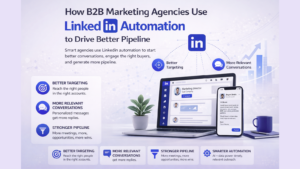
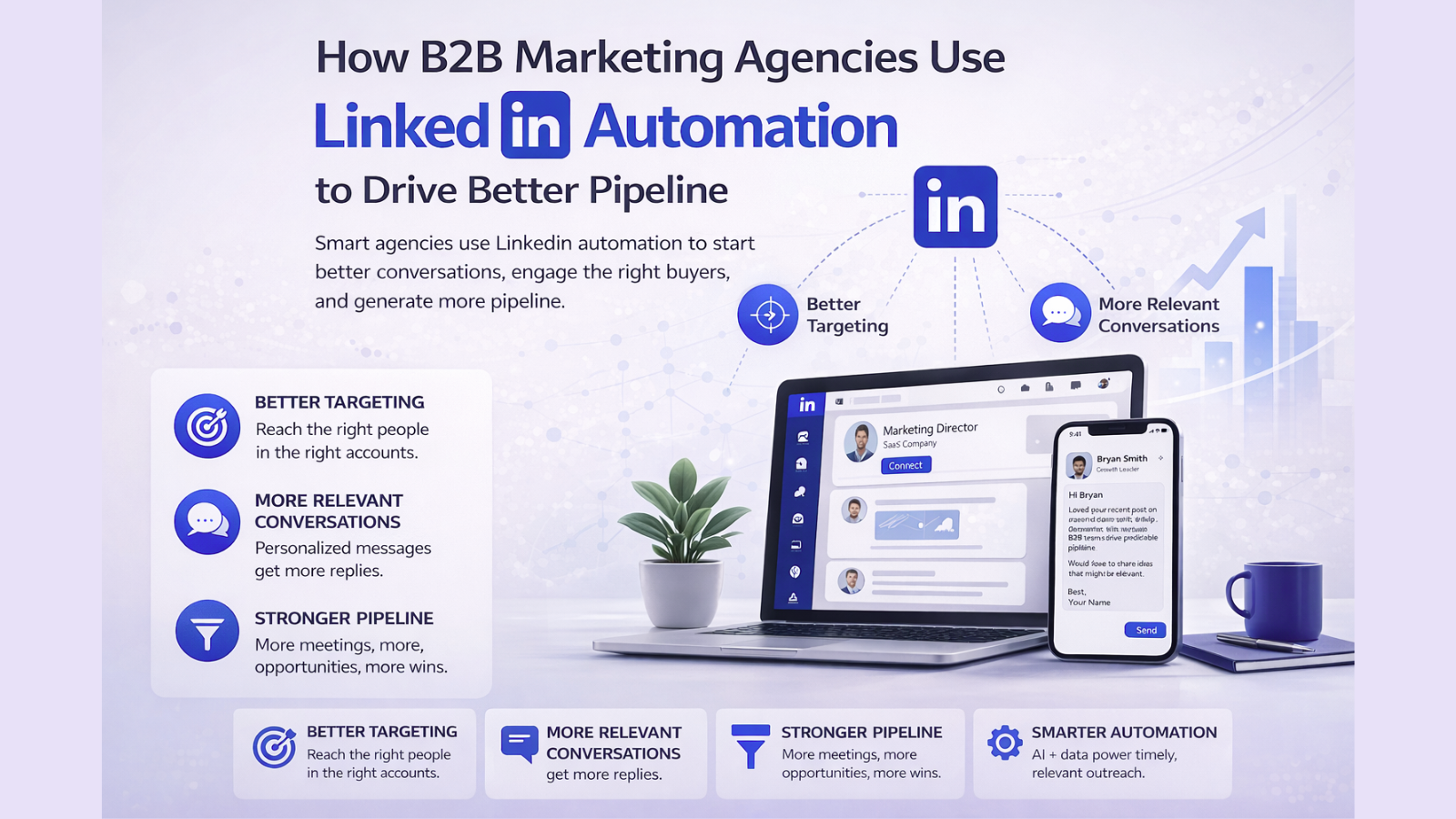

B2B marketing agencies are rethinking LinkedIn automation in 2026. It is no longer about sending mass connection requests or scaling generic follow-ups. The real opportunity is using automation to make outreach more relevant, more timely, and more connected to pipeline. That matters because B2B buying is now more complex: buyers do more independent research, more stakeholders are involved, and sellers get only a small share of the buyer’s total attention.
LinkedIn automation works best when it starts with strategy
The best agencies do not begin with tools. They begin with ICP clarity, buying-group mapping, and message relevance. Recent B2B research shows that 76% of buyers say three or more stakeholders are involved in a purchase decision, which means agencies need outreach that speaks to multiple roles, not just one contact. A campaign aimed at a marketing leader should not sound the same as one aimed at finance, IT, or procurement.
They automate signals, not just sequences
Strong agencies use LinkedIn automation to act on real buying signals. That includes profile engagement, content interaction, website visits, demo behavior, and CRM activity. Instead of pushing the same message to every prospect, they use triggers to decide when to connect, when to follow up, and what content to send next. This aligns with how modern B2B buyers behave: many prefer a more self-directed experience and often wait days before engaging sales directly.
Personalization is where pipeline quality improves
Automation helps agencies scale, but personalization is what improves outcomes. The most effective LinkedIn programs tailor outreach by account, persona, and funnel stage. For example, an early-stage researcher may respond better to insight-led content, while a later-stage stakeholder may need ROI proof, pricing clarity, or implementation confidence. Mixology’s research found that 90% of buyers say tailored content matters, which is why good automation supports role-specific messaging instead of one-size-fits-all outreach.
The smartest agencies connect LinkedIn to the rest of the funnel
LinkedIn automation works best when it is part of a broader system. Agencies often pair LinkedIn with email, paid retargeting, CRM workflows, and sales alerts so prospects move through a connected journey rather than isolated touchpoints. That matters because modern buyers explore solutions across multiple channels before talking to a vendor. In parallel, AI and automation are now built into mainstream marketing operations: HubSpot reports that 91% of marketing leaders say their teams use AI in their jobs, and 82% say their organizations have invested in automation tools.
Better agencies measure pipeline, not vanity metrics
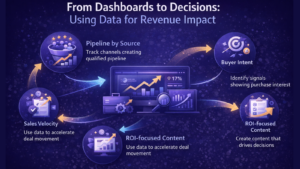
A mature LinkedIn automation strategy is measured by business outcomes, not just reply rates or accepted connections. Agencies that drive better pipeline focus on metrics like meetings with target accounts, opportunity creation, sales-qualified conversations, deal velocity, and influenced revenue. This approach also fits current SEO and content standards: Google continues to reward content that is original, helpful, reliable, and created for people first. In practice, that means agencies should publish and promote LinkedIn content that genuinely helps buyers make decisions, not content written only to game reach or rankings.
Human oversight still matters
The biggest mistake agencies make is treating LinkedIn automation like a shortcut. The strongest programs still rely on human review for messaging, targeting, timing, and brand tone. Automation should reduce manual work, not remove judgment. That is especially important now, as marketers adopt AI more widely while still balancing privacy, trust, and accuracy concerns.
Final thought
LinkedIn automation does not improve pipeline by doing more. It improves pipeline by making B2B outreach more precise, more relevant, and more coordinated.
For agencies, the winning formula in 2026 is simple:
right account + right stakeholder + right message + right timing.
That is how LinkedIn automation stops being a volume play and starts becoming a real pipeline engine.