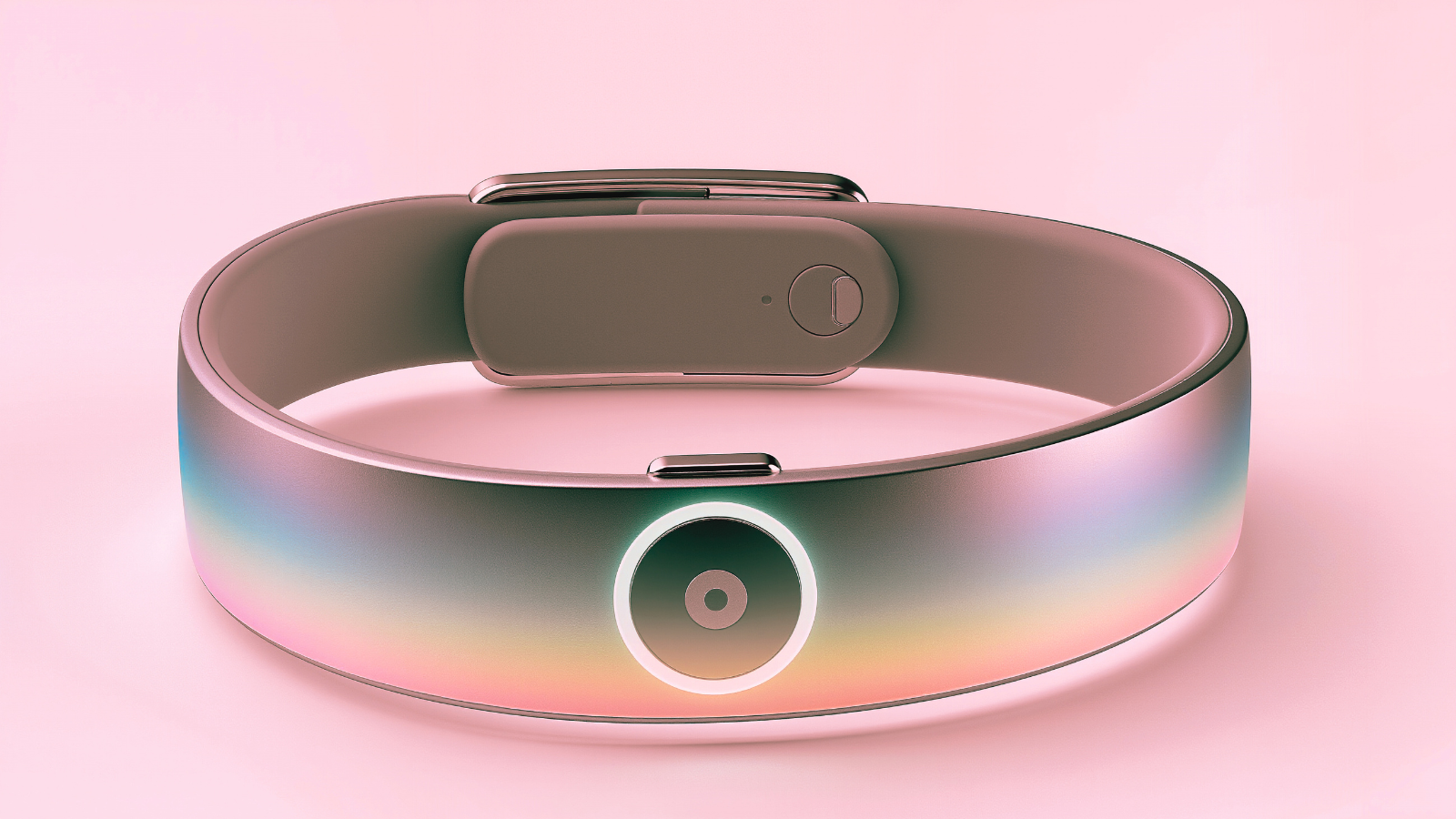

For years, wearable tech felt like a side category in consumer electronics. Smartwatches counted steps, earbuds played music, and fitness trackers monitored heart rates. Useful, yes, but hardly ground-breaking. Today the story has changed. AI wearables are stepping into the spotlight, and for the first time, traditional devices are feeling the heat. When a pendant can summarize your day, glasses can interpret what you see, and rings can track your body in real time, it makes you wonder whether smartphones are quietly losing their central role.
This moment is bigger than convenience. It represents a shift in how humans interact with technology. AI is leaving the screen and moving onto the body. Consumers are warming to the idea of constant support. Businesses are preparing for a world where user behavior is captured, processed, and interpreted in real time. For B2B companies, this change could redefine lead generation, customer engagement, and product personalization. The stakes are higher than they appear.
The Rise of AI in Everyday Devices
AI wearables have evolved far beyond metrics and notifications. They are beginning to supplement cognitive tasks. They listen, learn, observe, and respond with context. Their purpose is no longer to track activity. Their purpose is to understand the wearer and assist accordingly.
The newest devices operate like personal companions. They recognize patterns, anticipate needs, and translate real world inputs. This creates micro interactions that feel natural, fast, and frictionless. No apps. No taps. No menus. Just responses. The experience is radically different from what users have grown used to.
For businesses, this introduces new opportunities. Real time data becomes more accurate. Behavioral insights become sharper. Customer journeys become increasingly personalized. The companies that leverage these capabilities early will walk ahead in competitive B2B markets.
How AI Wearables Are Changing Consumer Interaction
AI wearables are not simply adding functionality. They are changing the foundational way people use technology.
Personal assistance becomes ambient
Instead of waking a device or opening an app, users receive support instantly. AI responds based on cues like voice tone, motion, environment, and timing. This ambient availability makes technology feel more human.
Screens are becoming less central
If glasses can show information in your field of vision and pendants can summarize spoken conversations, not every task requires a phone. The center of digital life is shifting from a pocket to the body.
Health and wellness become deeply intelligent
Modern AI wearables can track stress levels, predict energy dips, analyze sleep patterns, and assess readiness for the day. Businesses in healthcare, fitness, coaching, insurance, and B2B wellness platforms can integrate these insights for more tailored engagement.
Productivity gets a major upgrade
Email drafting, meeting summaries, reminders, task breakdowns, and note taking can be handled on the go. Workers no longer need to stop and type. AI does the gathering, organizing, and interpreting in the background.
Are AI Wearables Threatening Traditional Devices?
The question feels bold, but it is not exaggerated. With AI wearables becoming more powerful, lighter, and more intuitive, the pressure on smartphones and laptops is growing. It does not mean these devices will vanish. It means their role will change.
Wearables handle the fast interactions. The deeper tasks remain on larger devices. Over time, as AI becomes stronger and more accurate, wearables may take over even more. The shift will be gradual but noticeable. Businesses should prepare for this dual ecosystem early.
The companies that win will understand that wearables do not replace phones. They reframe how customers prefer to engage. This influences marketing, product development, data strategy, and lead generation across many industries.
What This Means for Businesses in 2026
AI wearables create new expectations. Consumers will want personalized experiences delivered instantly. They will rely on AI to guide decisions and manage information quietly in the background. Digital strategies will need to adapt accordingly.
B2B companies can use AI wearable insights to build richer customer profiles, refine outreach, and elevate service quality. Businesses that collect and interpret wearable driven data responsibly will be able to anticipate customer needs and increase conversion rates. The organizations that ignore this shift risk falling behind.
This is not about gadgets. It is about behavior, convenience, and emerging habits. AI wearables mark the beginning of a new interface era, one where technology becomes more embedded, more intuitive, and more aligned with daily life.
Conclusion
AI wearables are not just the future of personal tech. They are the bridge to a world where technology disappears into the background and support becomes constant. Companies that understand this shift will build smarter strategies and stronger connections.
For more insights from Pintip Media on how AI is transforming consumer and B2B ecosystems, stay connected with our upcoming reports.