

For years, B2B marketing relied heavily on detailed tracking mechanisms to capture user behavior, measure engagement, and attribute pipeline impact. Cookies, third-party data, and cross-platform tracking formed the backbone of lead identification strategies.
Today, that landscape is changing.
With evolving privacy regulations, stricter browser policies, and increasing buyer awareness, traditional lead tracking methods are under pressure. The shift is not temporary — it represents a structural transformation in how organizations collect and use data.
The Decline of Traditional Tracking
Third-party cookies are being phased out. Browsers are limiting tracking capabilities. Regulations such as GDPR and CCPA have raised the bar for consent and transparency.
As a result:
- Anonymous behavioral tracking is less reliable
- Cross-site attribution is more complex
- Data accuracy varies across platforms
- Compliance risk has increased
These changes are forcing B2B marketers to reconsider long-standing tracking practices.
From Volume to Quality of Data
In the past, more data often meant better targeting. Today, the emphasis is shifting toward high-quality, consent-based data.
First-party data has become central. This includes:
- Website interactions
- Form submissions
- Event registrations
- Content downloads
- CRM engagement history
Unlike third-party data, first-party insights are permission-based and directly tied to known interactions. This improves both compliance and reliability.
The Role of Transparency and Consent
Lead tracking now requires clear communication about how data is collected and used. Consent management systems, clear privacy policies, and user-controlled preferences are becoming standard practice.
This transparency serves two purposes:
- Regulatory compliance
- Building long-term trust with prospects
In B2B environments, where relationships often span months or years, trust is not optional.
Moving Beyond Individual Tracking
As individual-level tracking becomes more restricted, many organizations are shifting toward:
- Account-level engagement analysis
- Contextual targeting
- Intent data (ethically sourced)
- Aggregated behavioral insights
Account-based marketing strategies align naturally with this shift, focusing on organizations rather than anonymous individuals.
Redefining Attribution
Privacy limitations also affect attribution models. Multi-touch attribution based on granular tracking is harder to maintain in some environments.
In response, companies are:
- Using modeled or probabilistic attribution
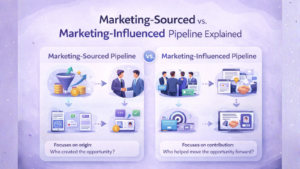
- Measuring pipeline influence instead of isolated touchpoints
- Analyzing trends and cohort behavior over time
The goal is no longer perfect tracking — it is informed decision-making.
A Strategic Opportunity
While privacy regulations introduce constraints, they also create an opportunity to refine marketing practices.
Rethinking lead tracking encourages:
- Cleaner data governance
- Stronger alignment between marketing and sales
- More meaningful engagement strategies
- Greater accountability in data usage
Rather than chasing every click, organizations can focus on understanding genuine buying signals.
Conclusion
Lead tracking in the privacy era is not about losing visibility — it is about gaining clarity.
The shift from unrestricted tracking to consent-driven insight is reshaping B2B marketing fundamentals. Companies that adapt by prioritizing transparency, first-party data, and strategic measurement will not only remain compliant — they will build stronger, more sustainable relationships with their audiences.
In the long term, responsible data practices are not a limitation. They are a foundation for trust-driven growth.