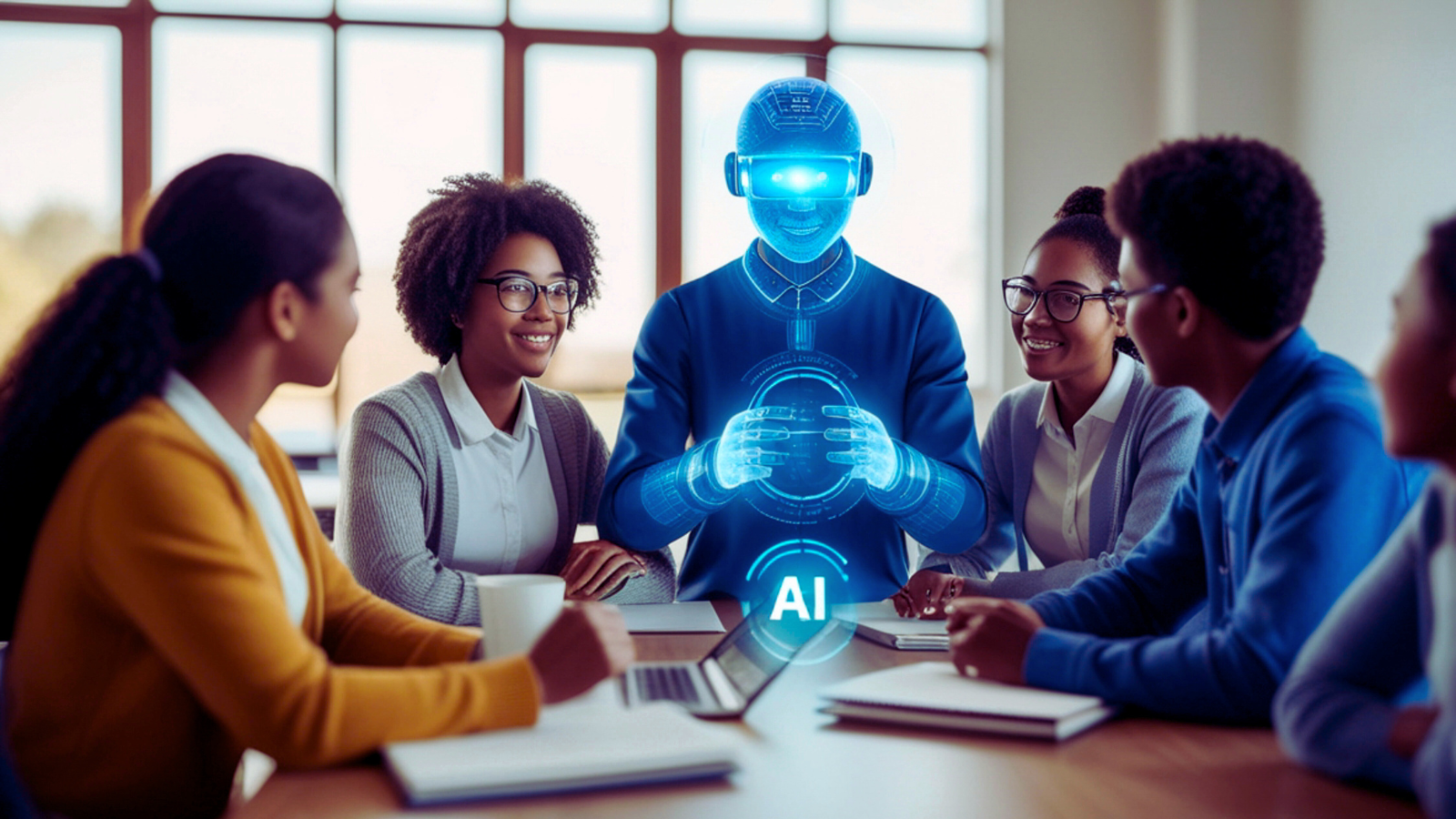

AI did not arrive in HR with a dramatic announcement. It crept in quietly through automation, dashboards, and efficiency tools. Then, almost suddenly, it began influencing how people are hired, how performance is evaluated, and how work itself is designed.
What makes this moment different is not the technology. It is the pace. HR leaders are now making decisions in an environment where skills expire quickly, expectations shift constantly, and the margin for error is shrinking. In this reality, AI is no longer a support tool. It is a structural force reshaping the future of work.
For the HR industry, this is not a trend to observe. It is a transformation to lead.
Why AI Has Become a Strategic HR Imperative
AI entered HR as an operational efficiency play. That phase is over. Today, AI informs hiring decisions, workforce planning, managerial effectiveness, and people analytics. As a result, HR is becoming a data-driven and AI-augmented function by necessity rather than choice.
Executives care about this shift because people decisions have become too complex to manage through intuition alone. Labor markets fluctuate in real time. Skills become obsolete faster than job architectures can adapt. Compliance and reputational risk continue to rise. AI offers scale, pattern recognition, and predictive capability that human teams cannot replicate on their own.
However, the true risk lies in adopting AI without redesigning governance, roles, and accountability. HR now owns one of the most sensitive applications of AI in the enterprise because it directly affects identity, opportunity, and livelihoods.
AI in Talent Acquisition Is Changing How Potential Is Recognized
Talent acquisition is often where leaders first see the impact of AI. Screening, matching, and assessment tools promise speed, yet their strategic value lies in improving decision quality at scale.
When implemented thoughtfully, AI can widen talent pools, surface overlooked skills, and reduce reliance on traditional pedigree signals. It can help organizations focus on capability rather than credentials.
Still, AI reflects the data it is trained on. Without bias audits, transparent models, and human oversight, automation can reinforce inequities rather than eliminate them. Leading organizations position AI as a decision-support system, not a decision-maker. Recruiters and hiring managers retain judgment, while AI improves consistency and insight.
For B2B organizations competing on expertise and trust, better hiring decisions translate directly into stronger delivery and long-term client relationships.
AI Co-pilots Are Redefining the Manager and HRBP Role
One of the most transformative developments in HR is the rise of AI co-pilots for managers and HR business partners. These tools synthesize policies, performance data, engagement signals, and workforce analytics into contextual guidance.
Managers gain support with goal setting, feedback preparation, workload planning, and people decisions. HRBPs gain faster access to insights, scenario modeling, and predictive indicators that once required significant manual effort.
As administrative and analytical work declines, human capabilities become more visible. Judgment, empathy, coaching, and ethical reasoning now define leadership effectiveness. Organizations that fail to upskill managers alongside AI adoption risk building efficient but poorly led workplaces.
This shift matters deeply for B2B scalability. Strong managerial capability, supported by intelligent systems, accelerates execution and strengthens retention across high-value teams.
Ethical AI and Governance Are Now Core HR Responsibilities
As AI becomes embedded in HR workflows, ethical considerations move from policy statements to operating models. Decisions related to hiring, pay, promotion, and exits demand explainability and accountability.
HR leaders are increasingly expected to define where automation ends and where human oversight is mandatory. This includes standards for data privacy, consent, bias mitigation, and decision transparency. In many organizations, HR is emerging as the steward of responsible AI because it sits at the intersection of technology, people, and risk.
When governance is proactive, AI adoption builds trust internally and externally. When governance is reactive, organizations face legal exposure and brand damage. The difference lies in leadership intent, not tool sophistication.
Automation Requires Redesigning Work, Not Just Eliminating Tasks
Automation has already transformed HR operations. Payroll, benefits administration, compliance reporting, and employee queries are increasingly handled by systems. The strategic question is no longer about cost savings alone. It is about how freed capacity is reinvested.
Organizations that automate without redefining roles often see disengagement rise. Conversely, those that intentionally shift human effort toward work requiring creativity, relationship building, and complex judgment unlock higher productivity and satisfaction.
HR leaders play a critical role in guiding this transition. Automation succeeds when work is redesigned holistically rather than fragmented across disconnected tools.
Skills Obsolescence Demands a New Workforce Planning Model
AI accelerates skills obsolescence. Static job descriptions and annual workforce plans cannot keep pace with change. As a result, leading organizations are moving toward continuous skills intelligence and dynamic talent deployment.
AI enables real-time visibility into emerging capabilities, future gaps, and internal mobility opportunities. Workforce planning shifts from headcount management to capability stewardship.
For executives, this creates a competitive advantage. Organizations that understand their skills landscape can pivot faster, pursue new markets, and reduce dependence on external hiring. HR becomes a driver of resilience, not just staffing.
The Question That Defines HR Thought Leadership
All these developments converge into one defining question. What work should humans still own?
This question reframes AI from a threat into a design challenge. It invites leaders to protect empathy, creativity, ethics, and leadership while using automation to eliminate friction and inefficiency.
HR leaders who can clearly articulate this boundary position themselves as architects of the future of work. They do not chase tools. They design systems where humans and machines collaborate responsibly.
Conclusion
AI and automation will not make HR less human. They will make human judgment more visible and more accountable. The organizations that succeed will not be those with the most advanced technology, but those with the clearest philosophy about how work should function.
HR now has the opportunity to lead one of the most important transformations of our time. The future of work is being written faster than many expect, and HR is holding the pen.
If your organization is navigating AI adoption and workforce change, now is the moment to rethink how HR can drive long-term business value.