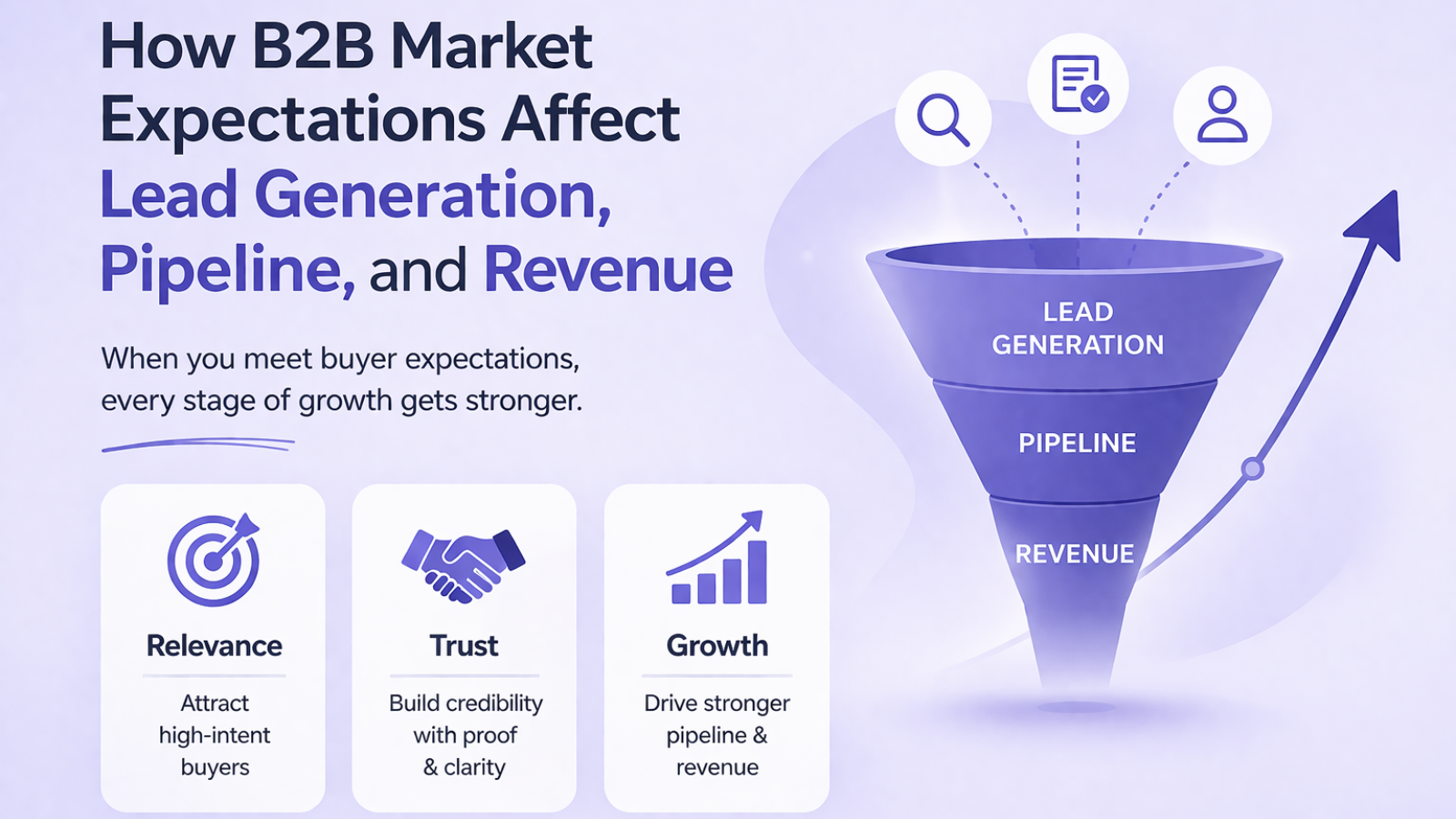

B2B buyers expect more than they did even a year ago. They want faster access to information, less friction, stronger proof of value, and outreach that feels relevant instead of disruptive. In 2025, Gartner found that 61% of B2B buyers preferred a rep-free buying experience overall, while 73% said they actively avoid suppliers that send irrelevant outreach. That change is not just affecting marketing tactics. It is reshaping how companies generate leads, build pipeline, and win revenue.
Lead generation is shifting from volume to relevance
Traditional lead generation often assumed that more leads meant more opportunity. That assumption is weaker now. Buyers are doing more independent research before they ever speak to sales, and they are less willing to respond to generic messaging. Gartner’s survey shows a clear preference for digital self-service, while Contentful’s 2025 benchmark of 900+ senior decision-makers in EMEA found that 84% consider self-service tools critical when choosing a vendor. The same study found that lack of pricing transparency and slow vendor response were major frustrations.
That has a direct impact on lead generation. If your website, content, and conversion paths do not help buyers learn on their own, more traffic will not translate into better leads. In practice, this means lead generation is becoming less about gating basic information and more about making discovery easier. Companies that match buyer expectations for clarity and self-service are more likely to attract higher-intent prospects in the first place.
Buyer expectations are moving pipeline decisions earlier
Pipeline is also being affected earlier than many teams realize. According to 6sense’s 2025 Buyer Experience Report, typical B2B purchases involve 10 or more people and take close to a year. The same report says buyers now contact sellers earlier than before, but still shortlist vendors largely before direct engagement, and they end up buying from one of their day-one shortlist vendors 95% of the time.
That changes the pipeline game. By the time a prospect fills out a form or books a meeting, much of the real persuasion may already have happened. If your brand is not visible, credible, and useful during that early research phase, you may never make the shortlist. That is why modern pipeline growth depends on buyer education, category authority, and trust-building long before a sales conversation starts.
Trust now has measurable revenue consequences
Forrester’s 2026 predictions for business buyers say trust will be “the ultimate currency” in B2B buying, and that buyers are demanding transparency, validation, and measurable outcomes as they navigate economic pressure and a flood of AI-generated content. Forrester also notes that human expertise is becoming more important as buyers seek to validate AI-generated insights and reduce risk.
That matters for revenue because trust affects conversion. When buyers are skeptical, deals slow down, committees get larger, and proof requirements rise. When vendors provide credible expertise, useful content, and clear outcomes, they reduce uncertainty and improve the odds of moving opportunities forward. Revenue growth now depends as much on credibility as it does on reach.
AI is raising the bar, not lowering it
AI is also changing expectations. 6sense reports that 94% of buyers use LLMs during the buying process, and G2 says AI chatbots are now the number one source influencing vendor shortlists in its 2025 buyer behavior research. But this does not mean buyers want less from vendors. It means they expect vendors to be clearer, more credible, and easier to evaluate.
For lead generation, this pushes content quality higher. For pipeline, it means your differentiators must be easy to verify. For revenue, it means vague positioning and generic nurture campaigns are more expensive than they look, because they fail to support shortlist selection and deal confidence.
What B2B teams should do now
First, build for self-service. Buyers expect pricing clarity, useful content, and easy access to information without unnecessary friction. Second, improve message relevance. Generic outreach damages response rates and can actively hurt future demand. Third, create proof-rich content for the full buying group, not just one persona. And fourth, align marketing metrics to pipeline quality and revenue impact, not just raw lead counts. Those steps fit both current buyer behavior and Google’s guidance, which says search systems prioritize helpful, reliable, people-first content over content created mainly to manipulate rankings.
Final thought
B2B market expectations now affect every stage of growth. They change who becomes a lead, which vendors make the shortlist, how fast pipeline moves, and how confidently revenue closes. The companies that adapt will not just generate more interest. They will generate better-fit demand, stronger pipeline, and more resilient revenue.